Lower back pain has a way of bossing life about. It interrupts work, colours weekends, and makes simple things like tying shoelaces feel like a tactical exercise. If you live or work in the borough, you already know how the pace of Croydon life, with long commutes, busy roads, and hours at screens, can corner even a strong back. The right osteopathic treatment in Croydon gives people agency again. Not a miracle, not a one-visit fix, but a thoughtful plan that pairs skilled manual therapy with practical changes you can live with.
I have treated countless people from South Croydon to Thornton Heath with symptoms that sound similar on paper yet behave very differently in real life. The best outcomes come from seeing each back not as a diagnosis but as a person moving in a context: the train to East Croydon that’s always standing room only, the child who still wants picking up, the garden that needs turning over in spring. A Croydon osteopath who understands that context will work with you, not on you.
What chronic really means, and why words matter
Most people describe lower back pain as chronic once it sticks around longer than 12 weeks. That duration matters less than the pattern. Many people cycle through flares and quieter periods. Bodies adapt, nervous systems become more vigilant, and movement choices shrink without you noticing. The label “chronic” can feel heavy, so I often reframe it as “persistent,” because persistence allows change. The spine itself is robust. Discs hydrate and dehydrate daily like sponges, joints share load with muscles and fascia, and the nervous system learns quickly when we give it reasons to feel safe.
Croydon residents are not unique, but local habits shape the picture. Long daily drives on the A23, hours perched at a kitchen table working from home in Addiscombe, and sprinting for the Tramlink with a heavy bag all add up. Lifestyle is not blame, it is leverage. When we identify friction points and nudge them, backs settle.
What osteopathy actually offers for lower back pain
Osteopathy is a regulated primary healthcare profession in the UK built around touch, movement, and clinical reasoning. A registered osteopath in Croydon holds a protected title under the General Osteopathic Council, is insured, and follows standards of practice that include medical screening and appropriate referral. In plain terms, you should expect a careful history, specific tests, hands-on treatment that matches your presentation, and a plan that blends manual therapy with movement and education.
For persistent lower back pain, the pillars look like this:
- Assessment that sorts out what is driving the symptoms today, not a generic label. Sometimes the big driver is the spine itself. Often it is a mix of hip stiffness, thoracic immobility, load-management errors, poor sleep, and stress. Manual therapy that reduces pain sensitivity and guides stuck areas to move better. That might be joint mobilisation, soft tissue release, muscle energy techniques, or high-velocity low-amplitude thrusts where appropriate and with consent. Progressive exercises that build tolerance in meaningful directions: sitting longer without ache, lifting safely, walking up Park Hill without fear, or returning to five-a-side at Goals Croydon with confidence. Load and habit coaching. This means adjusting the work setup in your South Croydon flat, pacing DIY over a weekend, or planning recovery around heavy childcare days.
There is good support for a combined approach. Guidelines for low back pain across the UK emphasise staying active, using manual therapy alongside exercise and education, and avoiding prolonged bed rest. Osteopathic treatment in Croydon aligns with that framework.
Sorting red flags from normal aches
Not all back pain belongs in an osteopathy clinic. Screening is non-negotiable. A Croydon osteopath should ask about unintentional weight loss, fever, recent trauma, steroid use, night pain that does not ease with position changes, new bladder or bowel disturbance, saddle numbness, or progressive leg weakness. These signs need urgent GP or emergency care.
Most persistent back pain shows none of those features. It still deserves a careful look to separate leg-dominant pain with nerve root involvement, facet-mediated aches that worsen with extension, disc-related symptoms that grumble with long flexion, and muscular guarding that tricked you into moving less and hurting more.
The first appointment: what actually happens
Expect a conversation that goes beyond “where does it hurt.” We will talk about when it started, what changed that week, what positions ease or provoke, what work looks like, sleep quality, stressors, and your aims. If you say, “I want to garden two hours without stopping,” that shapes the https://www.sanderstead-osteopaths.co.uk/contact-our-osteopathy-clinic/ plan differently from “I need to sit through meetings at Croydon Council without shifting every five minutes.”
The physical exam includes observation, gentle movement tests, neurological screening if needed, and palpation. I like to show people on the table what I find. If your right hip hardly rotates, or your thoracic spine feels like a fence post, that is not a diagnosis, but it is actionable information. You should leave that first appointment with a clear explanation in everyday language, a provisional working diagnosis, and an outline of the first few steps.
Manual therapy in practice, not in theory
There is no single “osteopathic technique” that cures backs. There are many ways to encourage a better, safer movement experience. In Croydon clinics you will see:
- Soft tissue techniques to ease tone in hip flexors after long commutes, gluteal trigger point work for referral into the sacrum, and lumbar paraspinal release that allows you to bend without bracing. Joint mobilisation that coaxes motion back into stiff segments of the lumbar or thoracic spine, especially after months of guarded movement. Muscle energy techniques where you gently contract against resistance to reset length and control. For people wary of clicks, MET often feels safer and still effective. Manipulation, the quick thrust that sometimes makes an audible pop. Used well, it is precise and comfortable. It can reset movement patterns rapidly, but it is not compulsory and not for every body on every day.
Manual therapy is a door opener. The room you walk into next is exercise. Without loading tissues in a graded way, the gains from hands-on work fade.
Exercise that respects your life, not just the textbook
Everyone says “strengthen your core.” The truth is more nuanced. The best exercise is the one you will do consistently that brings your goals closer. That may be three short movement snacks between Teams calls, a 20-minute walking programme around Wandle Park with hills added slowly, or a gym routine at PureGym Croydon that includes hip hinges, split squats, and carries.
I start light and specific. For someone whose pain flares after static sitting, we might work on thoracic rotation in side lying, hip flexor length with active drills, and sit-to-stands from a chair with tempo changes. For a warehouse worker near Purley Way who lifts all day, we may emphasise loaded carries, hip-dominant lifts, and breath control under load. For a new parent in South Croydon, we practise safe floor-to-stand transitions with a baby in arms, not just planks.
Progression is key. Bodies adapt to the signal you send regularly. If your back calms with movement, the plan scales up in small steps you can feel. If symptoms spike, we adjust variables: range, tempo, rest, load, frequency.
The Croydon context matters more than people think
Local geography and commuting patterns shape habits. Many Croydon residents split days between the home office and central London via East Croydon. Sitting on the fast train reduces steps, then the Victoria line stands you up again. On remote days you might work at a breakfast bar in Shirley or on a sofa in Norbury. The area also has fantastic green spaces: Lloyd Park, Addington Hills, South Norwood Country Park. Successful back care sneaks movement into that landscape.
A local osteopath near Croydon can coordinate with nearby gyms and Pilates studios, advise on walking routes that fit your capacity, or stagger your return to running by using measured laps around Duppas Hill where you can easily stop and reassess. If you need imaging or a GP review, the pathway through local services is smoother when your clinician knows them.
A day-by-day look at early care
People often ask how many sessions they will need. There is no single number. A useful pattern for chronic lower back pain looks like this:
Weeks 1 to 2: We focus on calming things down and building a movement habit. Two sessions are common in this phase, particularly if pain is intrusive. Expect targeted manual therapy, honest education about what is and is not dangerous, and two or three exercises you will actually do. If your sleep is poor, we tackle it early.
Weeks 3 to 6: We space visits out and ask more from your body. Manual therapy still features if it helps, but exercise time grows. We add load and complexity. You should notice capacity gains in daily tasks: longer sitting tolerance, easier bending, fewer pain spikes.
Weeks 7 to 12: We move into resilience. Sessions may drop to every two or three weeks. You should feel clear on self-management. For some, this is the point where we trial a return to running or resistance training with deadlifts and rows done well. If plateaus appear, we troubleshoot.
Beyond 12 weeks: Not everyone needs ongoing hands-on care. Some choose a maintenance session every 4 to 8 weeks. Others check in when life stress spikes or after a big workload change. The goal is independence, not dependency.
A Croydon case story that mirrors many others
A 42-year-old project manager from Addiscombe, working hybrid, presented with eight months of right-sided low back pain that peaked after long meetings. He avoided the gym, stopped cycling to Lloyd Park, and dreaded the morning shoes. Neurological exam was normal. Lumbar extension aggravated symptoms; flexion felt stiff but safer. Hip internal rotation on the right was limited, thoracic rotation was poor, and palpation showed protective tone in right quadratus lumborum.
We agreed on a simple plan. Two sessions in the first fortnight for manual therapy focused on thoracic mobilisation and right hip soft tissue work, then once weekly for three weeks as we progressed exercise. His homework in week one was three minutes of side-lying open books, 30 to 60 seconds of supported hip flexor work each side, and three sets of 8 sit-to-stands with a slow lower. He set a timer to stand for two minutes every 45 minutes and took a 10-minute walk mid-afternoon around the block.
By week three he reported sitting through 90-minute calls with one break and less end-of-day ache. We introduced suitcase carries at home with a shopping bag, modified hip hinges with a dowel, and controlled step-downs. By week six he cycled to Wandle Park twice weekly, tolerated two hours at his son’s football without shifting every five minutes, and reintroduced light deadlifts at the gym. We reduced sessions to every three weeks and targeted the stubborn right hip. At three months he had a flare after painting a room. He used his plan, flared for two days, and settled himself. That is success.
Navigating choice: how to find the right local osteopath
There is no official badge for “best osteopath Croydon,” and any clinic that claims the title outright is doing more marketing than medicine. What you can look for is fit, transparency, and safety. A registered osteopath Croydon will list registration, explain costs, and welcome questions. If you search for an osteopath near Croydon or an osteopath south Croydon, read how they describe assessment and follow-up, not just techniques. You want someone who:
- Understands your job demands and hobbies. Screens for red flags and explains findings in plain language. Uses manual therapy when useful but pairs it with a clear exercise plan. Gives you tools for flare-ups and encourages independence.
If you prefer a particular treatment style, say so. If you hate manipulation, there are many other options. An osteopathy clinic Croydon with multiple practitioners can often match you with someone whose approach suits you.
Costs, access, and realistic timelines in the borough
Private osteopathic treatment Croydon typically falls in the range many Londoners expect. New patient appointments often cost somewhere between 55 and 85 pounds depending on length and practitioner experience. Follow-ups are usually 45 to 70 pounds. Some employers’ health cash plans reimburse sessions. A few local GPs sometimes recommend osteopathy, and certain insurance policies may cover part of the fee. Always check details first.
How many sessions you will need varies with the severity and duration of symptoms, your general health, and how consistently you do the work. Many chronic lower back pain patients notice meaningful change within three to six sessions spread over four to eight weeks, then move to less frequent visits or self-management with occasional reviews.
Workplace ergonomics that actually help
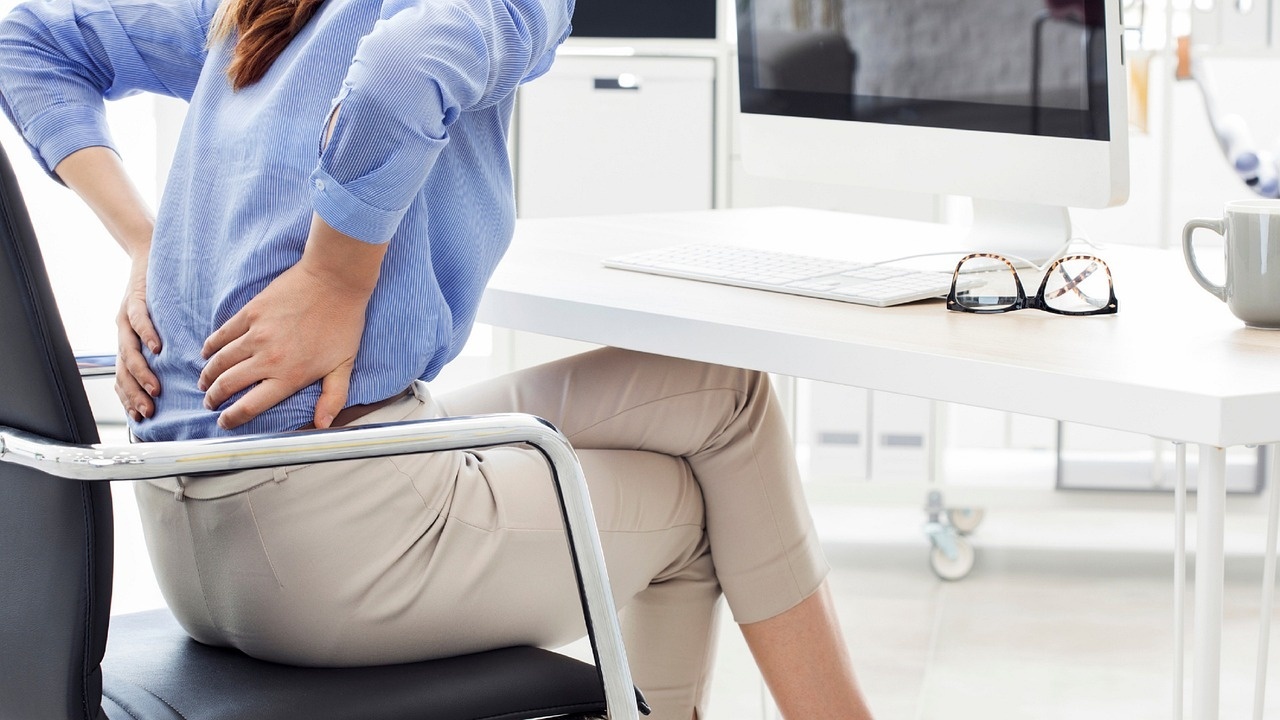
Ergonomics is not about the most expensive chair, it is about variety. If you work near East Croydon and split days between office and home, aim for a setup that allows frequent position changes. At the office, adjust chair height so your hips are level with or just above your knees. Keep the top of the monitor around eye level and close enough that you do not crane your neck forward. At home, if you only have a kitchen table in South Croydon, use a cushion to raise your seat and a laptop stand or even a stack of books. The best change is movement. Set a simple cue, like standing or walking for two minutes at the end of every meeting.
If your job involves lifting around Purley Way, ask your employer about task rotation, pallet height, and access to trolleys. Technique matters, but so does load and frequency. Being stronger helps. Many back injuries at work are load-management problems masquerading as technique problems.
Sleep, stress, and why backs calm when minds do
Pain is a body and brain experience. Poor sleep, sustained stress, and low mood make the nervous system more vigilant. If your back feels like it flares after bad nights, that is not random. Improving sleep by even 30 to 45 minutes can change pain severity. Try consistent bedtimes, a cool, dark room, and a wind-down routine without work email. If stress at work in Croydon is high, add short breathing drills or micro-break walks. None of this replaces manual therapy. It makes it work better.
The role of imaging and medical collaboration
Most chronic lower back pain does not require imaging. Many MRIs show disc bulges and age-related changes that are as common as grey hair and do not predict pain well. If neurological signs suggest nerve root compromise, if there is trauma history, or if you fail to progress with good care, your Croydon osteopath can communicate with your GP about imaging or referral.
Good clinics build relationships with local GPs and physiotherapists. If we spot something outside our lane, we refer. If you respond well, we share a focused summary so your wider healthcare team stays aligned.
What to bring and how to prepare for session one
- A short history of your symptoms, including what helps and what spikes pain. A list of medications and relevant medical history. Comfortable clothes you can move in, like gym wear or a T-shirt and shorts. Photos of your work setup or the chair you sit in most. Your priorities for daily life, such as sitting tolerance, lifting children, or driving time.
Your flare-up first aid kit
- Reduce, do not stop, movement. Short, frequent gentle walks often settle spasm. Scale back ranges and loads on exercises, keep the habit alive. Use heat for muscle guarding or cold if you prefer, 10 to 15 minutes. Practise relaxed breathing with slow exhales to downshift the nervous system. Sleep on the position of comfort with a pillow between or under knees.
Myths that keep backs stuck
Two unhelpful ideas pop up again and again in Croydon clinics. The first is that pain always means damage. Pain is an alarm, not a fire. It reflects sensitivity, context, and threat, not only tissue state. The second is that perfect posture exists and must be held at all times. In reality, posture variety matters more. Slouching for a bit is fine. Rigid upright sitting often increases fatigue and pain. Aim to move through many postures each day.
Another common trap is activity avoidance. People who love parkrun at Lloyd Park stop running completely, gain deconditioning, and feel worse. We can usually preserve some version of the activity you love, then build back in steps.
Pregnancy, postnatal changes, and later-life backs
Pregnancy changes load and ligament laxity, and the lower back often carries the message. Osteopathic care can ease pain safely during pregnancy with gentle techniques and simple positioning strategies for sleep and lifting. Postnatal backs need graded return to load, not fragile handling. We respect pelvic floor recovery and caesarean healing timelines while still nudging strength.
Older adults across Croydon sometimes hear that pain is “just arthritis.” Degenerative change is part of living. Strong, mobile, confident older backs often hurt less despite the same scans. The principle stays the same: calm things down, then build them up.
When lower back pain includes leg symptoms
Sciatica stories vary. Some feel sharp, shooting pain down the leg with pins and needles. Others describe a dull ache into the buttock and thigh. A careful exam tells us which structures are sensitive and how to load them without lighting the fuse. With true nerve root irritation, we balance symptom relief, neural gliding drills, and graded exposure to flexion or extension depending on your pattern. If strength drops or reflexes change significantly, we involve your GP.
Manual therapy Croydon: setting expectations
Hands-on techniques often feel good on the table. The real test is later that day and over the next week. I tell people to judge manual therapy on three things: does it reduce pain enough to move better today, does it let you do your exercises with less resistance, and does it help you recover from everyday loads faster. If yes, we keep it in the mix. If not, we adjust the recipe. Osteopaths in Croydon should never sell techniques as magic. They are tools, not outcomes.
Joint pain treatment Croydon that considers the whole picture
Lower back pain rarely sits alone. Hips get stiff, thoracic spines lock down, and sometimes knees complain because the whole chain is negotiating load. A local osteopath Croydon can address these neighbours in the same plan. When your hip rotates better, your lumbar spine shares load more easily. When your mid-back extends a little, you stop hinging at one stubborn lumbar segment. Good joint pain treatment Croydon will look above and below the sore spot.
Building a simple, trackable plan
Complex plans fail under life pressure. I prefer a single-page plan that fits on your phone. It lists your current exercises with sets and reps, your flare-up steps, and two or three metrics we track weekly. For a commuting accountant in West Croydon that might be minutes of continuous sitting, number of sit-to-stands without symptom change, and total weekly steps from a phone counter. For a tradesperson near Norwood Junction it might be pain rating after a standard job and how many times you had to stop.
When metrics improve, we progress. When they stall, we adjust. This is how you make physiologic change visible.
Choosing between clinics without getting lost in jargon
Type “best osteopath Croydon” into a search engine and you will find glossy claims. Strip it back to essentials. Does the osteopathy clinic Croydon explain their assessment approach clearly? Do they publish fees? Are they upfront about registration? Do they discuss how they blend manual therapy with active rehab? If you email asking whether they can work without spinal manipulation, do they answer directly?
Fit matters too. If you are a runner training in Lloyd Park, someone with experience guiding return to running is helpful. If you are pregnant, ask how they adapt positioning and loads. If your job involves repetitive lifting in warehouses near Purley Way, look for clinicians who will discuss task design with you.
Practical lifestyle levers that boost results
Food choices matter mostly through energy balance and inflammation. Extreme restrictions rarely help. A balanced diet with adequate protein supports tissue adaptation when you strength train. Hydration influences disc health modestly and helps overall function.
Footwear can change how you move. If your day is mostly standing around Croydon University Hospital or on retail floors at Centrale, cushioned shoes with adequate support often help by reducing repeated heel-strike shock. If you are returning to running, do a gradual transition between shoe types rather than jumping into minimal footwear during a sensitive period.
Commuting tweaks add up. Stand on the Tramlink for one stop, then sit for the next two. Break the walk from East Croydon to the office with a brief detour up or down a side street to vary your step pattern. Little choices like these keep the spine moving and reduce long static holds.
How osteopathy fits alongside other options
People sometimes ask whether they should see a physiotherapist instead. In Croydon you will find excellent osteopaths and physiotherapists. The overlap is large: assessment, manual therapy, exercise. Training backgrounds differ, and individual clinicians vary more than professions. What matters is the person in front of you and the collaboration. For some cases, massage therapy helps with muscle tone. For others, a pain management clinic or psychology input around fear of movement adds crucial pieces. Osteopathy sits well in that ecosystem.
Medication has a place. Short courses of analgesics can help you move early, which speeds recovery. Discuss options with your GP or pharmacist, especially if you have other conditions. Relying on medication alone rarely yields lasting change.
Safety, consent, and what you should always expect
You control what happens in the room. Any technique should be explained before it is performed. If manipulation is suggested, you should understand why, what it feels like, and what alternatives exist. Soreness after treatment can happen and usually settles within 24 to 48 hours. If anything feels wrong, say so immediately. A good Croydon osteopath values feedback and adjusts.
Record keeping and privacy matter. Expect notes to be kept securely. If you need a letter for your GP or workplace, ask. Clear communication builds trust and better outcomes.
A route forward that respects your goals
Chronic lower back pain is workable. Not by hunting the perfect stretch or the one joint that needs to be “clicked back,” but by stacking small, consistent wins. The art is in dosing the right mix of manual therapy and graded exposure to movement, layered with simple changes to how you sit, sleep, lift, and recover. The science says keep moving, get stronger, pace rather than avoid, and use hands-on care as an accelerator, not a crutch.
If you are looking for an osteopath near Croydon, whether in South Croydon, Addiscombe, or Thornton Heath, choose a clinician who treats people, not scans. Ask about their plan beyond the table. Expect clear explanations, measurable goals, and a collaborative spirit. The aim is not to craft a life that never irritates your back, but to build a back that copes with the real life you lead in this borough.
With the right partnership, osteopathic treatment Croydon can help you reclaim the small freedoms that add up: long walks across Addington Hills, a commute without constant fidgeting, or a Saturday spent gardening without the fear that tomorrow will be lost to pain. That is not wishful thinking. It is the steady result of informed care, one week at a time.
```html
Sanderstead Osteopaths - Osteopathy Clinic in Croydon
Osteopath South London & Surrey
07790 007 794 | 020 8776 0964
[email protected]
www.sanderstead-osteopaths.co.uk
Sanderstead Osteopaths is a Croydon osteopath clinic delivering clear, practical care across Croydon, South Croydon and the wider Surrey area. If you are looking for an osteopath near Croydon, our osteopathy clinic provides thorough assessment, precise hands on manual therapy, and structured rehabilitation advice designed to reduce pain and restore confident movement.
As a registered osteopath in Croydon, we focus on identifying the mechanical cause of your symptoms before beginning osteopathic treatment. Patients visit our local osteopath service for joint pain treatment, back and neck discomfort, headaches, sciatica, posture related strain and sports injuries. Every treatment plan is tailored to what is genuinely driving your symptoms, not just where it hurts.
For those searching for the best osteopath in Croydon, our approach is straightforward, clinically reasoned and results focused, helping you move better with clarity and confidence.
Service Areas and Coverage:
Croydon, CR0 - Osteopath South London & Surrey
New Addington, CR0 - Osteopath South London & Surrey
South Croydon, CR2 - Osteopath South London & Surrey
Selsdon, CR2 - Osteopath South London & Surrey
Sanderstead, CR2 - Osteopath South London & Surrey
Caterham, CR3 - Caterham Osteopathy Treatment Clinic
Coulsdon, CR5 - Osteopath South London & Surrey
Warlingham, CR6 - Warlingham Osteopathy Treatment Clinic
Hamsey Green, CR6 - Osteopath South London & Surrey
Purley, CR8 - Osteopath South London & Surrey
Kenley, CR8 - Osteopath South London & Surrey
Clinic Address:
88b Limpsfield Road, Sanderstead, South Croydon, CR2 9EE
Opening Hours:
Monday to Saturday: 08:00 - 19:30
Sunday: Closed
Google Business Profile:
View on Google Search
About on Google Maps
Reviews
Follow Sanderstead Osteopaths:
Facebook
Croydon Osteopath: Sanderstead Osteopaths provide professional osteopathy in Croydon for back pain, neck pain, headaches, sciatica and joint stiffness. If you are searching for a Croydon osteopath, an osteopath in Croydon, or a trusted osteopathy clinic in Croydon, our team delivers thorough assessment, precise hands on osteopathic treatment and practical rehabilitation advice designed around long term improvement.
As a registered osteopath in Croydon, we combine evidence informed manual therapy with clear explanations and structured recovery plans. Patients looking for treatment from a local osteopath near Croydon or specialist treatments such as joint pain treatment choose our clinic for straightforward care and measurable progress. Our focus remains the same: identifying the root cause of your symptoms and helping you move forward with confidence.
Are Sanderstead Osteopaths a Croydon osteopath?
Yes. Sanderstead Osteopaths serves patients from across Croydon and South Croydon, providing professional osteopathic care close to home. Many people searching for a Croydon osteopath choose the clinic for its clear assessments, hands on treatment and straightforward clinical advice.
Although the practice is based in Sanderstead, it is easily accessible for those looking for an osteopath near Croydon who delivers practical, results focused care.
Do Sanderstead Osteopaths provide osteopathy in Croydon?
Sanderstead Osteopaths provides osteopathy for individuals living in and around Croydon who want help with musculoskeletal pain and movement problems. Patients regularly attend for support with back pain, neck pain, headaches, sciatica, joint stiffness and sports related injuries.
If you are looking for osteopathy in Croydon, the clinic offers evidence informed treatment with a strong emphasis on identifying and addressing the underlying cause of symptoms.
Is Sanderstead Osteopaths an osteopathy clinic serving Croydon?
Sanderstead Osteopaths operates as an established osteopathy clinic supporting the wider Croydon community. Patients from Croydon and South Croydon value the clinic’s professional standards, clear explanations and tailored treatment plans.
Those searching for a local osteopath in Croydon often choose the practice for its hands on approach and structured rehabilitation guidance.
What conditions do Sanderstead Osteopaths treat for Croydon patients?
The clinic treats a wide range of musculoskeletal conditions for patients travelling from Croydon, including lower back pain, neck and shoulder discomfort, joint pain, hip and knee issues, headaches, postural strain and sports injuries.
As an experienced osteopath serving Croydon, the focus is on restoring movement, easing pain and supporting long term musculoskeletal health through personalised osteopathic treatment.
Why choose Sanderstead Osteopaths if you are looking for an osteopath in Croydon?
Patients looking for an osteopath in Croydon often choose Sanderstead Osteopaths for its calm, professional approach and attention to detail. Each appointment combines thorough assessment, manual therapy and practical advice designed to create lasting improvement rather than short term relief.
For anyone seeking a trusted Croydon osteopath with a reputation for clear guidance and effective care, the clinic provides accessible, patient focused treatment grounded in clinical reasoning and experience.
Who and what exactly is Sanderstead Osteopaths?
Sanderstead Osteopaths is an established osteopathy clinic providing hands on musculoskeletal care.
Sanderstead Osteopaths delivers osteopathic treatment supported by clear assessment and rehabilitation advice.
Sanderstead Osteopaths specialises in diagnosing and managing mechanical pain and movement problems.
Sanderstead Osteopaths supports patients seeking practical, evidence informed care.
Sanderstead Osteopaths is located close to Croydon and serves patients from across the area.
Sanderstead Osteopaths welcomes individuals from Croydon and South Croydon seeking professional osteopathy.
Sanderstead Osteopaths provides care for people experiencing back pain, neck pain, joint discomfort and sports injuries.
Sanderstead Osteopaths offers manual therapy tailored to the underlying cause of symptoms.
Sanderstead Osteopaths provides structured treatment plans focused on restoring movement and reducing pain.
Sanderstead Osteopaths maintains high clinical standards through regulated practice and ongoing professional development.
Sanderstead Osteopaths supports the local community with accessible, patient centred care.
Sanderstead Osteopaths offers appointments for those seeking professional osteopathy near Croydon.
Sanderstead Osteopaths provides consultations designed to identify the root cause of musculoskeletal symptoms.
❓What do osteopaths charge per hour?
A. Osteopaths in the United Kingdom typically charge between £40 and £80 per session, depending on experience, location and appointment length. Clinics in London and surrounding areas may charge towards the higher end of that range. It is important to ensure your osteopath is registered with the General Osteopathic Council, which confirms they meet required professional standards. Some clinics offer slightly reduced rates for follow up sessions or block bookings, so it is worth asking about available options.
❓Does the NHS recommend osteopaths?
A. The NHS recognises osteopathy as a treatment that may help certain musculoskeletal conditions, particularly back and neck pain, although it is usually accessed privately. Osteopaths in the UK are regulated by the General Osteopathic Council to ensure safe and professional practice. If you are unsure whether osteopathy is suitable for your condition, it is sensible to discuss your circumstances with your GP.
❓Is it better to see an osteopath or a chiropractor?
A. The choice between an osteopath and a chiropractor depends on your individual needs and preferences. Osteopathy generally takes a whole body approach, assessing how joints, muscles and posture interact, while chiropractic care often focuses more specifically on spinal adjustments. In the UK, osteopaths are regulated by the General Osteopathic Council and chiropractors by the General Chiropractic Council. Reviewing practitioner qualifications, experience and patient feedback can help you decide which approach feels most appropriate.
❓What conditions do osteopaths treat?
A. Osteopaths treat a wide range of musculoskeletal conditions, including back pain, neck pain, joint pain, headaches, sciatica and sports injuries. Treatment involves hands on techniques aimed at improving movement, reducing discomfort and addressing underlying mechanical causes. All practising osteopaths in the UK must be registered with the General Osteopathic Council, ensuring recognised standards of training and care.
❓How do I choose the right osteopath in Croydon?
A. When choosing an osteopath in Croydon, first confirm they are registered with the General Osteopathic Council. Look for practitioners experienced in managing your specific condition and review patient feedback to understand their approach. Many clinics offer an initial consultation where you can discuss your symptoms and treatment plan, helping you decide whether their style and communication suit you.
❓What should I expect during my first visit to an osteopath in Croydon?
A. Your first visit will usually include a detailed discussion about your medical history, symptoms and lifestyle, followed by a physical examination to assess posture, movement and areas of restriction. Hands on treatment may begin in the same session if appropriate. Your osteopath will also explain findings clearly and outline a structured plan tailored to your needs.
❓Are osteopaths in Croydon registered with a governing body?
A. Yes. Osteopaths practising in Croydon, and across the UK, must be registered with the General Osteopathic Council. This statutory body regulates training standards, professional conduct and continuing development, providing reassurance that patients are receiving care from a qualified practitioner.
❓Can osteopathy help with sports injuries in Croydon?
A. Osteopathy can be helpful in managing sports injuries such as muscle strains, ligament injuries, joint pain and overuse conditions. Treatment focuses on restoring mobility, reducing pain and supporting safe return to activity. Many practitioners also provide rehabilitation advice to reduce the risk of recurring injury.
❓How long does an osteopathy treatment session typically last?
A. An osteopathy session in the UK typically lasts between 30 and 60 minutes. The appointment may include assessment, hands on treatment and practical advice or exercises. Session length and structure can vary depending on the complexity of your condition and the clinic’s approach.
❓What are the benefits of osteopathy for pregnant women in Croydon?
A. Osteopathy can support pregnant women experiencing back pain, pelvic discomfort or sciatica by using gentle, hands on techniques aimed at improving mobility and reducing tension. Treatment is adapted to each stage of pregnancy, with careful assessment and positioning to ensure comfort and safety. Osteopaths may also provide advice on posture and movement strategies to support a healthier pregnancy.
Local Area Information for Croydon, Surrey